Bee Embroidery Review: A Modern Design for Handmade Goods
As an embroidery designer who spends countless hours digitizing and stitching for clients, I am always cautious when selecting pre-made machine embroidery design files. The market is flooded with options, but finding a file that holds up under the pressure of commercial production is rare. Recently, I evaluated the Bee product from Creative Fabrica to see if it could serve as a reliable asset for my small business. This review breaks down the visual appeal, technical performance, and commercial viability of this specific embroidery file for real-world projects.
First Impressions and Visual Mood
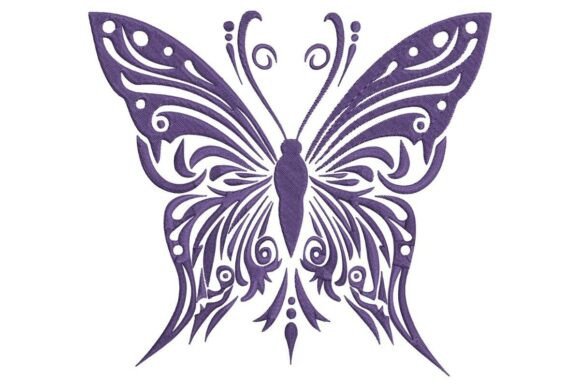
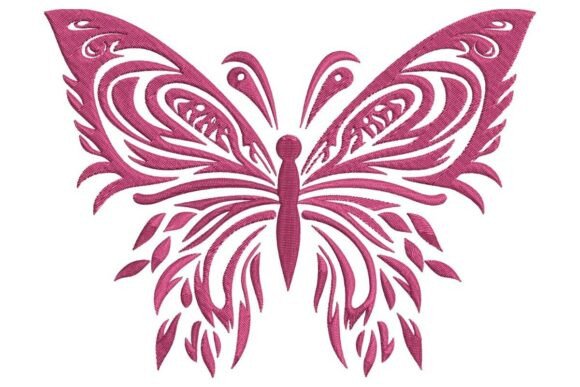
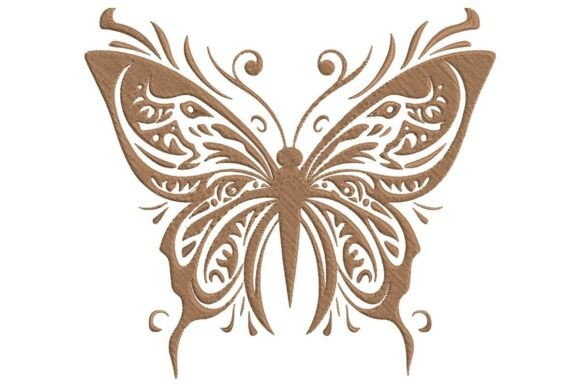
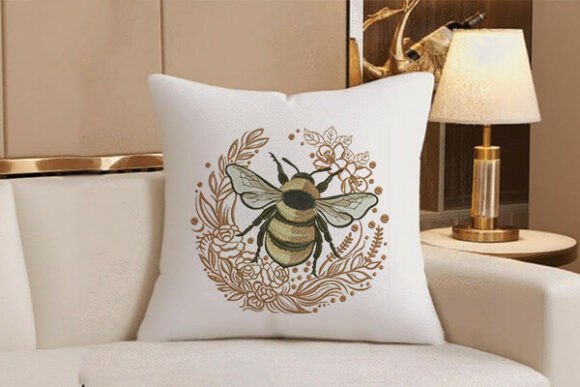
Upon opening the preview for Bee, the immediate takeaway is its modern aesthetic. Unlike traditional, overly realistic insect designs that can look dated or too literal for contemporary fashion, this design leans into a trendy, stylized approach. It captures the essence of the Bugs Insects category without feeling like a science textbook illustration. The lines appear clean, suggesting a well-thought-out balance between satin stitch outlines and potential fill stitch areas.
The "personality" of the stitching seems friendly and approachable, making it an excellent candidate for items meant to evoke warmth and creativity. For designers looking to add a fresh accent to their portfolio, this Creative Fabrica embroidery asset offers a decorative appeal that fits seamlessly into current home decor and apparel trends. It feels less like a novelty item and more like a versatile graphic element that can be scaled for various applications.
Real-World Application Scenarios
To truly test the value of Bee, I imagined integrating it into several active product lines. Here is how this design performs across different mediums:
- Custom Apparel: The design's modern look makes it ideal for custom apparel such as oversized sweatshirts or vintage-style tees. Placed on the left chest or as a larger back print, it adds a boutique touch to blank garments.
- Tote Bags and Aprons: For eco-friendly shoppers, a tote bag design featuring this bee creates an instant bestseller. Similarly, kitchen aprons benefit from the whimsical nature of the motif, appealing to gardening enthusiasts and bakers alike.
- Nursery and Home Decor: The gentle vibe works perfectly for baby blankets and pillow covers. In a nursery setting, it serves as a focal point that is engaging for children yet stylish enough for parents.
- Patches and Accessories: If stitched on twill with a merrowed edge, this could easily become a high-quality embroidered patch for caps or jackets, adding significant perceived value to the finished product.
For Etsy sellers and craft fair vendors, having a cohesive theme is crucial. Using Bee across a collection of kitchen towels, pot holders, and wall hangings creates brand consistency. It allows a seller to market a "Garden Party" or "Busy Bee" collection, enhancing the overall presentation of the shop.
Technical Considerations for Production
While the visual mockups are promising, the reality of machine embroidery involves navigating fabric textures and machine limitations. When working with a design like Bee, several practical factors must be addressed before running a production batch.
Fabric and Stabilizer Choices
The success of any digital embroidery file depends heavily on the substrate. For stretchy fabrics like jersey knits used in t-shirts, using a cut-away stabilizer is non-negotiable to prevent distortion over time. If applying this to a textured fabric like a waffle-weave towel, one must ensure the stitch density is not so high that it causes puckering. Conversely, on dark fabrics, the contrast of the thread colors becomes critical. A light yellow or gold thread will pop against navy or black, but the underlying structure of the design must be dense enough to cover the fabric grain completely.
Hoop Size and Placement
Although specific dimensions were not provided in the initial description, most modern single-motif designs fit within standard hoops. However, if you plan to use this on curved surfaces like cap fronts, you must verify the hoop size compatibility with your cap frame. Curved stitching requires careful hooping to avoid registration errors. Additionally, if the design includes tiny lettering or intricate layered details, these elements may struggle on plush fabrics like fleece unless the digitizer has accounted for push-and-pull factors.
Durability and Washing
Products intended for frequent washing, such as kitchen towels or baby burp cloths, demand robust stitching. Before selling a finished product, it is essential to test wash a sample. Check for thread breakage or fraying, particularly in high-density areas. A design that looks perfect out of the hoop but falls apart after three washes will damage your reputation as a maker.
Enhancing Product Value and Brand Trust
In the competitive world of handmade goods, the quality of your embellishments directly influences buyer trust. A poorly executed embroidery job can devalue an otherwise premium item. However, when Bee is stitched correctly with high-quality threads and proper tension, it elevates the perceived worth of the item. Customers are willing to pay more for personalized, handcrafted details that look professional.
Furthermore, this design aids in product photography. The eye-catching nature of the bee motif creates a strong focal point in images, which can increase click-through rates on social media and marketplace listings. Whether used for a personalized gift or a line of commercial embroidery products, the visual appeal drives customer engagement. It signals to the buyer that attention to detail was prioritized, fostering loyalty and repeat business.
Final Verdict and Best Practices
The Bee embroidery design from Creative Fabrica appears to be a strong contender for designers looking to expand their catalog with trendy, nature-inspired motifs. Its versatility allows it to transition smoothly from a cute baby gift to a fashionable statement on adult apparel. However, as with any third-party asset, due diligence is required.
Before committing to a large order, I recommend the following steps:
- Test on Scrap Fabric: Always stitch a sample on the exact material you intend to sell. This reveals issues with tension, density, or fabric compatibility.
- Check Thread Contrast: Verify how the design looks with different color combinations, especially if offering customization options.
- Review Licensing: Visit the Creative Fabrica product page to confirm the license terms. Ensure that the file allows for commercial use if you plan to sell physical items featuring this design.
- Inspect Small Details: Zoom in on the stitched sample to ensure small elements like antennae or wing details are crisp and secure.
Ultimately, Bee offers a solid foundation for creative entrepreneurs. By combining this design asset with skilled execution and high-quality materials, you can create standout products that resonate with customers. Whether you are creating a printable mockup for your online store or stitching a physical sweatshirt embroidery piece, this design has the potential to be a profitable addition to your workflow, provided you respect the technical nuances of machine embroidery.