Easter Egg with Bow: A Designer's Review for Business Merch
As an embroidery designer who spends countless hours digitizing and testing files for commercial use, I approach every new machine embroidery design with a critical eye. It is not just about whether a motif looks cute on a screen; it is about how that digital embroidery file translates into a tangible asset for a small business. Today, I am reviewing the Easter Egg with Bow, a piece that promises to bring a festive touch to various projects. My goal is to evaluate its potential as a tool for brand building, specifically for boutique owners, cafes, bakeries, and handmade brands looking to elevate their small business merch during the spring season.
First Impressions: Visual Personality and Brand Fit
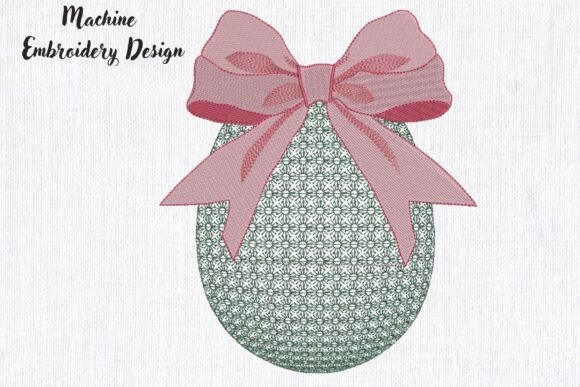
Upon loading the preview of the Easter Egg with Bow, the immediate impression is one of elegant playfulness. The combination of a beautifully patterned egg and a large decorative bow strikes a balance between classic holiday tradition and modern decorative flair. For a business owner, this visual personality is crucial. It feels less like a childish cartoon and more like a refined graphic suitable for a high-end florist, a boutique bakery, or a creative studio.
The design exudes a "handmade product" aesthetic without looking amateurish. This is vital for brands that rely on the perception of quality and care. When applied to custom apparel or branded goods, this design suggests that the business values detail and presentation. It is friendly enough for a family-oriented cafe yet sophisticated enough for a lifestyle brand selling home goods. The bow adds a layer of gift-like appeal, subtly communicating to the customer that they are receiving something special.
Real-World Application in Commercial Embroidery
The true test of any embroidery file is its versatility across different mediums. The Easter Egg with Bow shines particularly well when adapted for specific business use cases. Imagine a local coffee shop wanting to release a limited-edition spring collection. This design would work exceptionally well as a chest logo accent on staff work shirts or as a sleeve detail on barista aprons. The apron embroidery application is especially strong here; the bow element complements the ties of an apron naturally, creating a cohesive look.
For retail businesses, the potential for an embroidered patch is high. A well-made patch can be sold as a standalone item or attached to tote bags and hats. As a tote bag design, the patterned egg provides enough visual interest to make the bag a desirable accessory rather than just a carrier. Furthermore, for Etsy sellers and crafters, this design serves as a perfect embellishment for handmade pillows, table runners, or even product packaging accents like fabric tags. The ability to use this motif on event merch for spring festivals or Easter markets allows businesses to create timely, relevant products that drive seasonal sales.
Technical Considerations for Production
While the aesthetic is promising, a professional review must address the technical realities of production. The description mentions a "beautifully patterned" egg, which implies a certain level of detail. In the world of commercial embroidery, detail can be a double-edged sword. When scaling this design down for a small patch or a cap embroidery application on a curved surface, there is a risk of losing definition. High stitch density in the patterned areas could lead to puckering if not managed correctly, especially on stretchy fabrics like those used for t-shirts or flexible caps.
Business owners must be cautious about where they place this design. On dark uniforms, the thread colors need to have sufficient contrast to ensure the pattern does not get lost. If the design relies on subtle shading, it might not translate well on textured fabrics like heavy canvas or waffle-weave towels. Additionally, items that require frequent washing, such as staff uniforms or kitchen aprons, demand a robust underlay and secure stitching. The large bow, while decorative, presents anchor points that must be secured tightly to prevent lifting after multiple wash cycles.
Impact on Brand Identity and Customer Trust
Consistency is the cornerstone of brand identity. Using a high-quality design like the Easter Egg with Bow reinforces a brand's commitment to quality. When a customer sees a crisp, well-executed embroidered logo or motif, it builds trust. It signals that the business invests in professional-grade assets rather than cutting corners. This perception directly influences product value; a tote bag with a premium embroidered design can command a higher price point than one with a cheap print.
Moreover, seasonal branding helps with buyer engagement. It shows that the business is active, current, and connected to the community's rhythm. However, visual consistency is key. This design should be compared beside other design assets in the brand's library to ensure the line weights and color palettes harmonize. If the rest of the brand is minimalist and geometric, this ornate, patterned egg might feel out of place unless introduced as a deliberate, limited-time variation.
Practical Notes for the Embroidery Professional
Before running a production batch of the Easter Egg with Bow, I recommend a rigorous testing protocol. First, stitch the design out in black and white. This removes the distraction of color and allows you to inspect the spacing and structural integrity of the stitches. Check if the pattern holds up at the smallest intended size; if the details blur together, you may need to simplify the file or increase the dimensions.
Always review the thread colors against your specific fabric swatches. What looks vibrant on a monitor may appear dull on a navy blue twill or a natural linen. Confirm the required hoop size early in the process to ensure it fits your machine's capabilities, especially if you are working with smaller hoops for cap frames. Using the proper stabilizer is non-negotiable; given the likely density of the patterned egg, a cut-away stabilizer might be necessary for long-lasting durability on garments.
Create a printable mockup for client approval before stitching the final finished product. This saves time and thread. Finally, and perhaps most importantly, confirm the commercial licensing terms. Ensure that the license allows for the number of units you intend to produce for sale. Since specific details like exact stitch count, file formats, and precise license terms are not provided in the brief description, you must verify these specifications with the vendor before committing to a large order. By taking these precautions, the Easter Egg with Bow can become a profitable and beautiful addition to your spring inventory.