Handmade Scissors: A Designer's Review for Gifts
As an embroidery designer who spends hours tweaking stitch paths and selecting thread palettes, I approach every new machine embroidery design with a critical eye. Recently, I had the opportunity to test the Handmade Scissors design, intended for the Sewing Crafts category. My goal was simple: determine if this digital asset holds up under the pressure of real-world production for a personalized gift shop. When you are creating items for customers, whether it is a delicate baby blanket or a sturdy kitchen towel, the quality of your embroidery file dictates the success of your finished product.
First Impressions: Charm and Texture
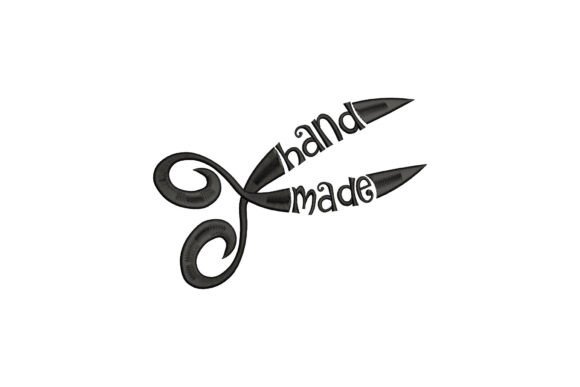
Upon loading the digital embroidery file into my software, the first thing that struck me about Handmade Scissors was its inherent mood. It does not scream for attention with aggressive saturation; instead, it whispers with a charming, handcrafted aesthetic. The design captures the essence of traditional crafting tools but stylizes them in a way that feels both nostalgic and modern. For a small shop product, this balance is crucial. It appeals to the customer who values the "made by hand" narrative without looking outdated.
The detail level is significant enough to be interesting but not so dense that it becomes a nightmare to stitch out on textured materials. There is a sweetness to the lines that suggests elegance, making it a versatile candidate for various projects. Whether you are aiming for a playful vibe for a child's room or a romantic touch for a wedding keepsake, this design adapts well. It feels like a tribute to the craft itself, which creates an immediate emotional connection with anyone who sews or loves handmade goods.
Real-World Applications for Gifting
In my testing phase, I imagined several specific customer scenarios to see where Handmade Scissors would shine. Here is how the design performs across different personalized gift categories:
- Baby Embroidery: For a nursery item or a baby blanket, the design adds a whimsical touch. It works beautifully on soft flannel or cotton muslin, signaling a future of creativity for the child.
- Wedding Gift: Imagine this embroidered on a high-quality linen table runner or a custom tote bag for a bride who loves DIY projects. It serves as a thoughtful nod to her hobbies.
- Kitchen Linens: As an embroidered towel motif, it is perfect for the home cook. The theme fits naturally in a kitchen setting, elevating a standard tea towel into a boutique item.
- Apparel and Accessories: On an apron or a canvas tote, the design acts as a badge of honor for the maker. It tells the world that the owner values craftsmanship.
- Home Decor: Stitched onto a pillow cover, it becomes a focal point in a craft room or sewing nook, adding texture and personality to the space.
For Etsy sellers and handmade sellers, the versatility of this design means you can create a cohesive collection. You might offer a "Maker's Set" including a tote, an apron, and a pillow, all featuring the Handmade Scissors motif. This consistency builds brand recognition and increases the perceived value of your commercial embroidery offerings.
Technical Considerations and Fabric Challenges
While the aesthetic appeal is high, a professional review must address the technical realities of stitching. Not every fabric behaves the same way, and Handmade Scissors requires some strategic planning depending on your substrate.
If you are working with thick towels or heavy canvas, the stitch density becomes a critical factor. Dense stitching on thick piles can cause sinking, where the design disappears into the loops of the fabric. In these cases, using a topping stabilizer is non-negotiable to ensure the details remain crisp. Conversely, when applying this to stretchy baby clothes, you must be cautious. The stability of the design needs to match the stretch of the garment to prevent puckering after the first wash.
Dark fabrics present another challenge. If the design relies on fine lines or light thread colors, they may get lost against a navy or black background. I strongly recommend creating a printable mockup or doing a test run on scrap fabric of the same color before committing to a customer order. Check how the light interacts with the threads; sometimes a slight adjustment in thread shade can make the difference between a muddy result and a popping custom embroidery piece.
Furthermore, consider the hoop size required. While the specific dimensions depend on the file version you purchase, always ensure your hoop allows for proper stabilization around the design area. Curved surfaces, like the pocket of a hoodie or a rounded pillow, also demand careful hooping techniques to avoid distortion.
Enhancing Perceived Value and Trust
Why choose Handmade Scissors over a generic floral pattern? The answer lies in the story it tells. In the world of digital product sellers and physical goods creators, authenticity drives sales. This design inherently communicates quality. When a customer receives a gift featuring this motif, they perceive it as a handmade product created with intention, not just a mass-produced item.
This perception directly impacts customer trust and buyer engagement. Product photography plays a massive role here. Because the design has texture and depth, it photographs exceptionally well under natural light. Close-up shots showing the interplay of threads can highlight the quality of your work, justifying a higher price point. For wedding gift designers and baby product creators, this emotional resonance is what turns a browser into a buyer.
Practical Notes for the Professional Maker
Before you list this design in your shop or stitch it for a client, follow these practical steps to ensure excellence:
- Test on Scrap Fabric: Never skip the test stitch-out. Use the exact fabric and stabilizer combination you plan to use for the final order.
- Check Thread Contrast: Ensure your chosen thread colors provide enough contrast against the fabric background for the details to be visible.
- Review Stitch Density: If the design feels too stiff on lightweight fabric, consider reducing the density slightly in your editing software, if licenses permit.
- Use Proper Stabilizer: Match your stabilizer to the fabric weight. Cut-away is often best for garments that will be washed frequently, while tear-away may suffice for decorative items.
- Inspect Small Details: After stitching, examine the fine lines of the scissors. Are there any jumps or loose threads? Trim them meticulously for a polished look.
- Confirm Licensing: Always verify the commercial licensing terms provided with the embroidery file. Ensure you are allowed to sell finished products made with this design.
Since the product description notes that this is a machine embroidery design perfect for adding beauty and texture, but does not specify exact stitch counts or file formats, it is vital to check the download package thoroughly. Different machines require different formats, and knowing the stitch count helps you estimate production time accurately.
In conclusion, Handmade Scissors is a delightful addition to any Embroidery enthusiast's library. It bridges the gap between functional tool and decorative art, making it an ideal choice for those looking to create meaningful, personalized gifts. With careful attention to fabric selection and stabilization, this design can elevate your small business offerings, providing your customers with a tangible piece of warmth and creativity.