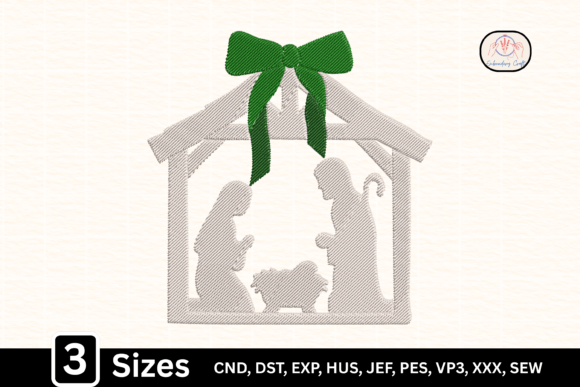
Mary Joseph Jesus Nativity Coquette Review
As an embroidery designer preparing for the upcoming weekend craft fair, my table strategy is everything. I am not just stitching for fun; I am curating a collection that needs to stop scrolling thumbs online and halt walking feet in person. This year, I am testing the Mary Joseph Jesus Nativity Coquette design to see if it can bridge the gap between traditional religious sentiment and the trendy coquette aesthetic that is dominating the handmade market. When you are running a small shop product line, every digitized file must earn its place on the hoop.
First Impressions and Aesthetic Appeal
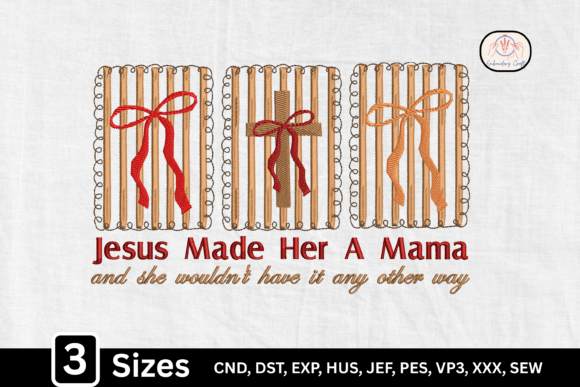
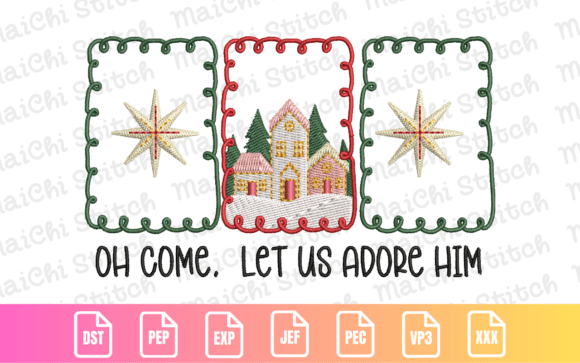
Upon loading the Mary Joseph Jesus Nativity Coquette into my editing software, the first thing that strikes me is the unique fusion of styles. We are taking the sacred imagery of the Holy Family—Mary, Joseph, and baby Jesus—and framing it with the soft, feminine bows and ribbons characteristic of the coquette trend. For a craft fair product, this is a brilliant move. It takes a classic Religion Faith theme and makes it feel fresh, modern, and highly giftable for younger demographics who might otherwise skip traditional nativity items.
The silhouette style suggested in the description implies a clean, minimal look. This is crucial for booth displays. When a customer walks past my table, they have about three seconds to register what I am selling. A design that is too busy gets lost. However, a bold silhouette accented with delicate bows creates a high-contrast visual that reads instantly. It feels both elegant and cute, hitting that sweet spot of "farmhouse chic" without being overly rustic. This versatility means the finished product can appeal to a wide range of buyers, from grandmothers looking for meaningful decor to moms wanting trendy baby gifts.
Product Application and Sales Potential
The real test of any machine embroidery design is how it translates across different substrates. I am planning to produce a variety of samples to gauge customer reaction. Here is how I see the Mary Joseph Jesus Nativity Coquette performing on specific items:
- Tote Bags and Market Bags: This is likely the strongest contender. A canvas tote with this design centered on the front becomes an instant statement piece. The coquette bows add a fashion element that elevates it from a simple grocery bag to a tote bag design people want to carry to church or holiday parties.
- Aprons and Tea Towels: For the kitchen sector, this design shines as apron embroidery or tea towel embroidery. The silhouette works beautifully on linen or cotton blends. It suggests a home that values tradition but stays stylish. These are low-cost items with high perceived value, perfect for impulse buys at a booth.
- Caps and Patches: Applying this to a curved cap surface requires caution. If the design includes fine details in the bows, they might get lost on the texture of a twill cap. However, as an embroidered patch that can be ironed onto jackets or jeans, it offers great flexibility for customers who want to customize their own gear.
- Pillow Covers and Pouches: These make excellent higher-ticket handmade gifts. The design acts as a focal point, drawing the eye immediately. For an Etsy seller, these items photograph incredibly well for printable mockup listings, allowing you to showcase the design in a cozy, holiday setting.
Production Practicality and Batch Efficiency
When you are a creative entrepreneur, time is money. The Mary Joseph Jesus Nativity Coquette appears to be a design built for efficiency. Silhouette-based designs generally have fewer color changes and less complex fill patterns than fully detailed illustrations. This makes them ideal for batch production. I can hoop multiple aprons or towels and run them back-to-back with minimal intervention.
However, we must discuss the technical realities of commercial embroidery. While the concept is sound, the execution depends entirely on the quality of the digital embroidery file. Before committing to a full production run, I always advise checking the stitch density. If the bows are too dense, they will become stiff and puffy, losing that delicate coquette drape. Conversely, if they are too sparse, the fabric underneath might show through, ruining the crisp look of the silhouette.
Another critical factor is scalability. Can this design work as a small accent on a pouch, or does it need to be a large focal design on a tote? Small lettering or tiny bow details often lose clarity when scaled down. If the original file is optimized for a 5x7 hoop, shrinking it to fit a 4x4 hoop for a small gift tag might result in a muddy mess. Always review the recommended hoop size provided by the designer.
Visual Impact and Customer Engagement
In a crowded marketplace, visual appeal drives sales. The Mary Joseph Jesus Nativity Coquette has a distinct advantage: it tells a story. It combines the reverence of Christmas with the playfulness of current fashion trends. This dual appeal increases buyer engagement. Customers are more likely to pick up an item to feel the texture and inspect the stitching if the design intrigues them.
For your booth display strength, consistency is key. Using this design across a coordinated line of products—matching tote, apron, and towel—creates a cohesive brand look. It shows professionalism and helps customers visualize how the items would look in their own homes. The use of specific thread colors also matters here. Sticking to a classic palette like cream, gold, and soft reds can enhance the premium feel, while high-contrast black and white might lean more modern and graphic.
Designer Notes and Careful-Use Warnings
Before you list this as a handmade product or sell it as a design asset, there are several practical steps you must take to ensure quality control:
- Test on Scrap Fabric: Never run a new file on your final goods first. Stitch it out on the exact same material you intend to sell. Fabric texture affects how stitches lay; a design that looks perfect on broadcloth might sink into a fluffy towel.
- Check Thread Contrast: Ensure your thread choices provide enough contrast against the fabric color. Dark fabrics can swallow dark threads, making the silhouette invisible.
- Review Spacing and Density: Look closely at the areas where the bows intersect with the figures. Are there enough underlay stitches to prevent puckering? Is the stitch count appropriate for the size?
- Stabilizer Selection: Choose the right stabilizer for the job. Cut-away is usually best for garments that will be washed frequently, while tear-away might suffice for decorative wall hangings.
- Verify Licensing: This is non-negotiable. Confirm commercial licensing terms before selling finished products. Some designers allow unlimited sales of physical items, while others have caps or require specific attribution.
Ultimately, the Mary Joseph Jesus Nativity Coquette represents a smart opportunity for embroidery business owners. It taps into the evergreen market of religious holiday decor while riding the wave of the coquette trend. By paying attention to production details and presenting it on the right mix of products, this design has the potential to be a standout seller in your holiday inventory. Just remember to validate the file specs, respect the license, and let your craftsmanship do the talking.