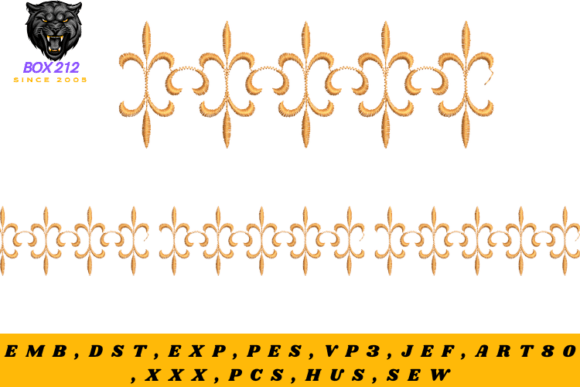
Motif Embroidery Borders: A Designer's Review
When I first opened the folder for Motif Embroidery Borders, my immediate reaction wasn't just about the aesthetic; it was about potential. As a designer who spends hours staring at screens before a single needle hits fabric, I look for designs that bridge the gap between digital artistry and tangible texture. This collection promises elegance and sophistication, but does it hold up under the scrutiny of a real-world embroidery project? After testing these patterns on various substrates, I can confidently say that these borders are less like simple decorations and more like architectural frames for your creativity.
The First Impression: Mood and Visual Personality
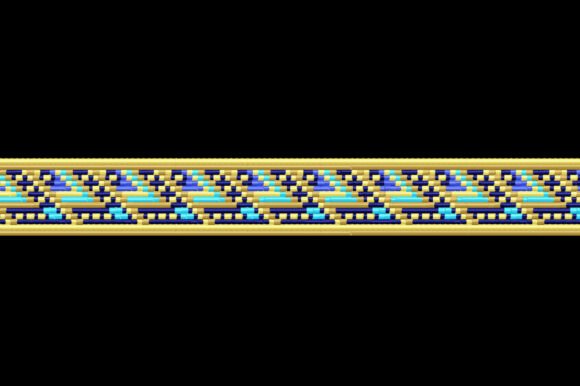
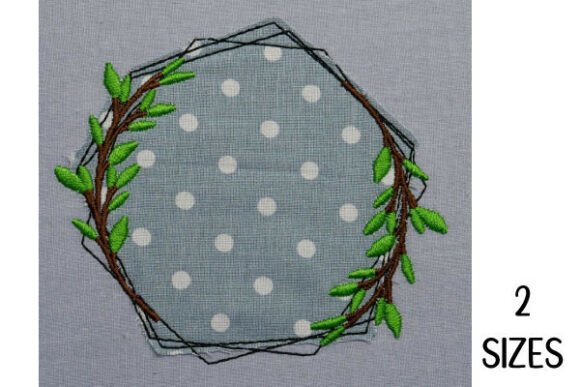
The visual personality of Motif Embroidery Borders is distinctly timeless. Unlike trendy, chunky fonts or overly cartoonish motifs that date quickly, these patterns rely on intricate detailing that suggests a higher level of craftsmanship. The layout feels balanced, offering enough negative space to let the stitches breathe while maintaining a dense enough structure to look substantial once stitched out.
What stands out most is the versatility of the theme. Whether you are aiming for a vintage boutique vibe or a modern minimalist look, the motif adapts well. The design doesn't scream for attention; instead, it whispers quality. For an Etsy seller or a small shop owner, this subtlety is crucial. It elevates a basic item into a handmade product that feels curated rather than mass-produced. The flow of the lines suggests a natural movement, which is essential when framing a monogram or a central graphic.
Real-World Application: From Screen to Stitch
To truly evaluate a machine embroidery design, you have to get it off the computer and onto fabric. I decided to test these borders on a custom linen tote bag, a project that often serves as a litmus test for design durability and appeal. The goal was to create a personalized gift that could withstand frequent use while looking chic enough for a weekend market run.
Upon stitching, the Motif Embroidery Borders performed exceptionally well. The transition between stitch types—likely a mix of satin stitch for the outlines and fill stitch for the heavier areas—was smooth. There were no noticeable jumps or messy trims that often plague lower-quality digital embroidery files. On the linen, the texture of the thread complemented the weave of the fabric, creating a tactile experience that photos alone cannot convey.
This success translates directly to other applications. Imagine these borders on a sweatshirt embroidery project for a university alumni group, or perhaps framing a name on a baby embroidery blanket. The sophistication of the motif adds perceived value. A customer seeing this level of detail on a custom apparel item is far more likely to trust the brand and justify a higher price point. For commercial embroidery projects, such as branding for a local café on aprons or tea towels, these borders provide a professional finish that generic store-bought patches simply cannot match.
Where Caution is Required
However, no design is universal, and practical judgment is key. While Motif Embroidery Borders are stunning, they require careful consideration regarding hoop size and fabric choice. Because the patterns are intricate, attempting to shrink them too small for a cap or a tiny pocket might result in lost detail. The fine lines could merge if the stitch density is too high for the scale, turning delicate curves into a solid blob of thread.
Texture is another factor. On highly textured fabrics like thick terry cloth or loose knits, the finer details of the motif might get lost unless a proper stabilizer is used. I strongly advise using a cut-away stabilizer for garments that will be washed frequently, ensuring the border maintains its shape over time. Additionally, when working on stretchy fabrics or curved surfaces like hats, the tension must be managed perfectly to prevent puckering, which would ruin the elegant symmetry of the border.
Color contrast is also vital. While the design looks beautiful in a standard black-on-white test, real life offers more complexity. Using low-contrast thread colors on dark fabrics might render the intricate details invisible from a distance. Always test your embroidery file in both light and dark scenarios. If you are creating an embroidered patch, ensure the backing material is compatible with the density of the stitch work to avoid stiffness that makes the patch uncomfortable to wear.
Enhancing Brand Value and Customer Trust
In the world of creative entrepreneurs, presentation is everything. Using Motif Embroidery Borders effectively can significantly boost your brand consistency. When a client receives a personalized gift framed by such a refined border, it signals that thought and skill went into the creation. This attention to detail fosters customer trust and encourages repeat business.
For those selling design assets or printable mockups, these borders offer a fantastic opportunity to showcase versatility. They can frame logos, monograms, or seasonal messages for holiday embroidery collections. The "finished product" look achieved with these borders helps buyers visualize the potential, making your listings more engaging. Whether it's for a wedding gift, nursery decor, or boutique merchandise, the professional appearance of these borders helps justify premium pricing.
Practical Notes for the Professional Maker
Before committing to a large production run or listing a new item in your craft business, here are a few essential steps I recommend:
- Test on Scrap Fabric: Never skip the stitch-out test. Use the exact fabric and stabilizer combination you plan to use for the final product to check for registration issues.
- Check Licensing: If you intend to sell finished items or digital products featuring these borders, confirm the license terms provided with the download. Some designers allow commercial use of finished goods but restrict the resale of the file itself.
- Review Stitch Density: High-density areas may require needle adjustments or slower machine speeds to prevent thread breakage, especially with metallic or specialty threads.
- Mockup Verification: Create black-and-white mockups to ensure the design holds its form without relying on color contrast. This is crucial for accessibility and printing clarity.
- Inspect Small Details: Zoom in on the preview to ensure tiny corners and sharp turns are digitized correctly. Poorly digitized corners can look rounded and sloppy after stitching.
Ultimately, Motif Embroidery Borders represent a solid investment for any serious maker. They offer the kind of refined detail that separates hobbyist attempts from professional-grade goods. By understanding their limitations and leveraging their strengths, you can create small shop products that stand out in a crowded marketplace. Just remember to respect the intricacy of the design, choose your materials wisely, and always prioritize the longevity of the stitch. When done right, these borders don't just frame a design; they frame your reputation as a skilled artisan.